
Oestrogen Dominance in Perimenopause: Symptoms & Natural Support
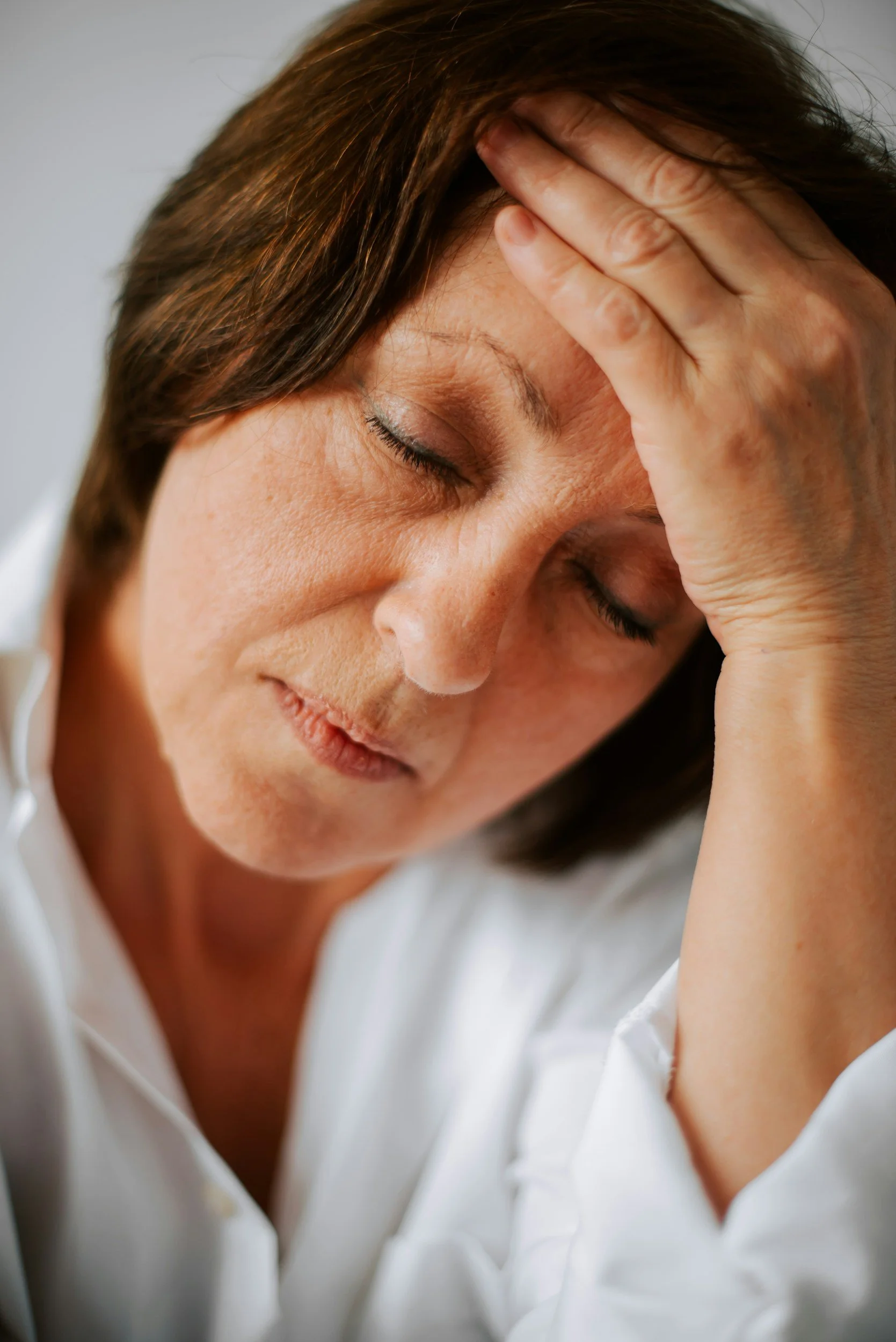
If you’re in your 40s and starting to notice symptoms that don’t quite make sense, you might be experiencing something called oestrogen dominance.
Many women tell me:
“I feel off — bloated, moody, and my weight is creeping up — but my doctor says my hormones are fine.”
Sound familiar? You’re not imagining it. oestrogen dominance is a very real phenomenon — especially during perimenopause — and understanding it can make a huge difference to how you feel.
What is oestrogen dominance?
Oestrogen dominance happens when your body has too much oestrogen relative to progesterone.
It’s not always about absolute levels — sometimes your oestrogen is normal, but your progesterone has declined, creating an imbalance.
This is very common during perimenopause because:
Progesterone starts to decline naturally
Oestrogen fluctuates and sometimes spikes
Lifestyle factors (stress, diet, environmental toxins) can amplify the effects
Common symptoms of oestrogen dominance
Symptoms can vary from woman to woman, but common patterns include:
Bloating or water retention
Weight gain, particularly around the hips, thighs, or belly
Mood swings, irritability, or anxiety
Breast tenderness
Heavy or irregular periods
Fatigue and low energy
Trouble sleeping
Brain fog or difficulty concentrating
If several of these sound familiar, it may be worth exploring further.
Why oestrogen dominance happens in perimenopause
Several factors contribute:
1. Declining progesterone
Progesterone naturally drops as ovulation becomes irregular
This shifts your oestrogen-to-progesterone balance
2. Fluctuating oestrogen
Some cycles have higher oestrogen than usual
This can lead to bloating, irritability, and weight changes
3. Lifestyle and environmental factors
Stress and cortisol can make oestrogen dominance worse
Poor sleep, insulin resistance, and certain foods may amplify symptoms
Exposure to environmental oestrogens (plastics, certain cosmetics) can add to the load
How oestrogen dominance affects your body
The imbalance doesn’t just influence your mood or cycle — it also affects:
Metabolism → weight gain or fat distribution
Energy → fatigue or brain fog
Nervous system → increased stress sensitivity
Sleep → trouble falling or staying asleep
Understanding these links is key to addressing symptoms effectively.
Natural ways to support estrogen balance
Supporting your body is possible with lifestyle, nutrition, and targeted naturopathic support.
1. Stabilise blood sugar
Blood sugar fluctuations worsen hormonal imbalance
Include protein, healthy fats, and fibre in every meal
2. Support liver detoxification
The liver helps metabolise estrogen
Include cruciferous vegetables (broccoli, kale, cauliflower)
Stay hydrated to help toxin elimination
3. Reduce stress
Cortisol can worsen oestrogen dominance
Gentle movement, deep breathing, and rest periods help balance hormones
4. Prioritise sleep
Aim for consistent sleep times
Create a relaxing evening routine to support natural hormone rhythms
5. Consider herbal and nutrient support
Certain herbs (like vitex or chasteberry) can support progesterone balance
Nutrients like magnesium, B vitamins, and zinc help overall hormonal health
A personalised approach is often best, as each woman’s hormonal profile is unique
A compassionate perspective
oestrogen dominance is common and manageable — it’s not a sign that your body is failing.
Your body is simply signalling that it needs support during this transition. With the right approach, many women experience:
more stable moods
improved sleep
less bloating
better energy and metabolism
If this resonates with you
This is exactly the kind of imbalance I support women with in clinic — helping them understand what’s happening in their body and creating a personalised plan that addresses the root cause, not just the symptoms.
Final thoughts
Perimenopause is a time of change, but understanding how oestrogen dominance shows up gives you the tools to feel more in control.
It’s not about “fixing” yourself — it’s about supporting your body with the right approach for this stage of life.
