
Ultra-Processed Foods and Women’s Hormonal Health: What You Need to Know
Walk through any supermarket and it quickly becomes clear that most of what fills the shelves isn’t actually “food” in the traditional sense. Brightly packaged snacks, flavoured yoghurts, ready meals, protein bars, cereals and soft drinks are engineered for convenience and taste. These products are known as ultra-processed foods, and while they promise to save time and money, they can quietly work against our metabolic and hormonal health — particularly during perimenopause and menopause.

Ultra-processed foods are not simply foods that have been cooked, frozen, or canned. Processing itself isn’t the problem — freezing vegetables or cooking beans makes life easier and keeps us nourished, and this is something that I regularly do.
Ultra-processed foods, are industrial formulations made largely from refined ingredients and additives rather than whole foods. They often contain modified starches, refined sugars, industrial seed oils, artificial flavours, emulsifiers, preservatives, and protein isolates. Often the ingredient list reads more like a laboratory formula than something you could cook at home, and that’s a strong clue.
One of the reasons these foods dominate our diets is simple, they are incredibly cheap to produce. Many are built from subsidised commodity crops such as corn, wheat, and soy. These ingredients are refined, reassembled, flavoured, and stabilised so they can sit on shelves for months without spoiling. Long shelf life reduces waste, transport costs, and storage losses for manufacturers and retailers. Growing these crops on mass also has consequences for the environment, through high greenhouse gas emissions due to extensive use of biocides and fertilizers, also creating loss of biodiversity.
Food scientists design these products to be intensely palatable — the perfect balance of salt, sugar, and fat — which encourages repeat purchases. They feel inexpensive at the checkout, but because they rarely satisfy appetite or nourish the body, they can cost us more in the long run.
For women over 40, the impact of ultra-processed foods can be particularly noticeable. Hormonal shifts during perimenopause and menopause influence insulin sensitivity, fat distribution, muscle mass, mood, and stress resilience. Diet becomes more important, not less.
Highly refined carbohydrates and sugars found in many packaged foods can send blood glucose soaring, followed by sharp crashes. This rollercoaster can intensify cravings, fatigue, and abdominal weight gain — concerns many women notice emerging during midlife. Industrial seed oils and food additives may contribute to low-grade inflammation, which can show up as joint discomfort, mood changes, or increased risk of chronic disease.

The Gut microbiome plays an important role in our health, and can be easily disrupted by ulta processed food
The gut also plays a central role in hormonal balance. A diverse, healthy microbiome helps regulate oestrogen metabolism and supports immune function. Diets dominated by ultra-processed foods tend to be low in fibre and high in additives that may disrupt gut bacteria. When gut health suffers, women may experience bloating, sluggish digestion, and symptoms linked to impaired hormone clearance.
Another challenge is satiety. Ultra-processed foods are designed to be easy to overeat. They bypass the body’s natural fullness signals, meaning you can consume a surprising number of calories without feeling satisfied. This is not a failure of willpower; it is a biological response to engineered foods.
Quitting Ultra processed food
one of the most surprising experiences isn’t physical hunger but how often they think about food. Many ultra-processed products are engineered to stimulate the brain’s reward pathways through precise combinations of sugar, refined carbohydrates, salt, and fat, triggering dopamine release and reinforcing repeat consumption. When these foods are removed, cravings can intensify and persistent thoughts about snacks — often called “food noise” — may temporarily increase. This isn’t a lack of willpower; it reflects the body recalibrating hunger and satiety hormones, stabilising blood sugar, and adjusting to a diet richer in protein, fibre, and nutrients. As eating patterns stabilise and the gut microbiome begins to recover, most people notice cravings soften, satisfaction improves, and the constant mental chatter around food fades, allowing appetite regulation to return to a more natural rhythm. These cravings can last from a few days upto 3-4 weeks, but they do diminish as the body recalibrates. The temptation is to reintroduce ‘just a small amount’, but this sets you up to fail. A good way to reward the body is to eat something natural such a small handful of nuts, a small piece of cheese, a small pot of greek yoghurt with some oats and fruit or some homemade hummus (unfortuantely most shop bought hummus contains seed oils)
Healthy eating doesn’t need to be hard
Avoiding ultra-processed foods does not require expensive health foods or hours in the kitchen. In fact, some of the most nourishing foods are also the most affordable. Staples such as oats, lentils, brown rice, eggs, seasonal produce, tinned fish, and frozen vegetables provide protein, fibre, and essential minerals that support hormone balance and metabolic health.
Convenience can still have a place in a healthy kitchen. Frozen vegetables, canned beans, pre-washed greens, plain yoghurt, and a ready-cooked chicken can make meals quicker without sacrificing nutrition. These are processed, but not ultra-processed — and they can be lifesavers during busy weeks.
How to build a healthy meal
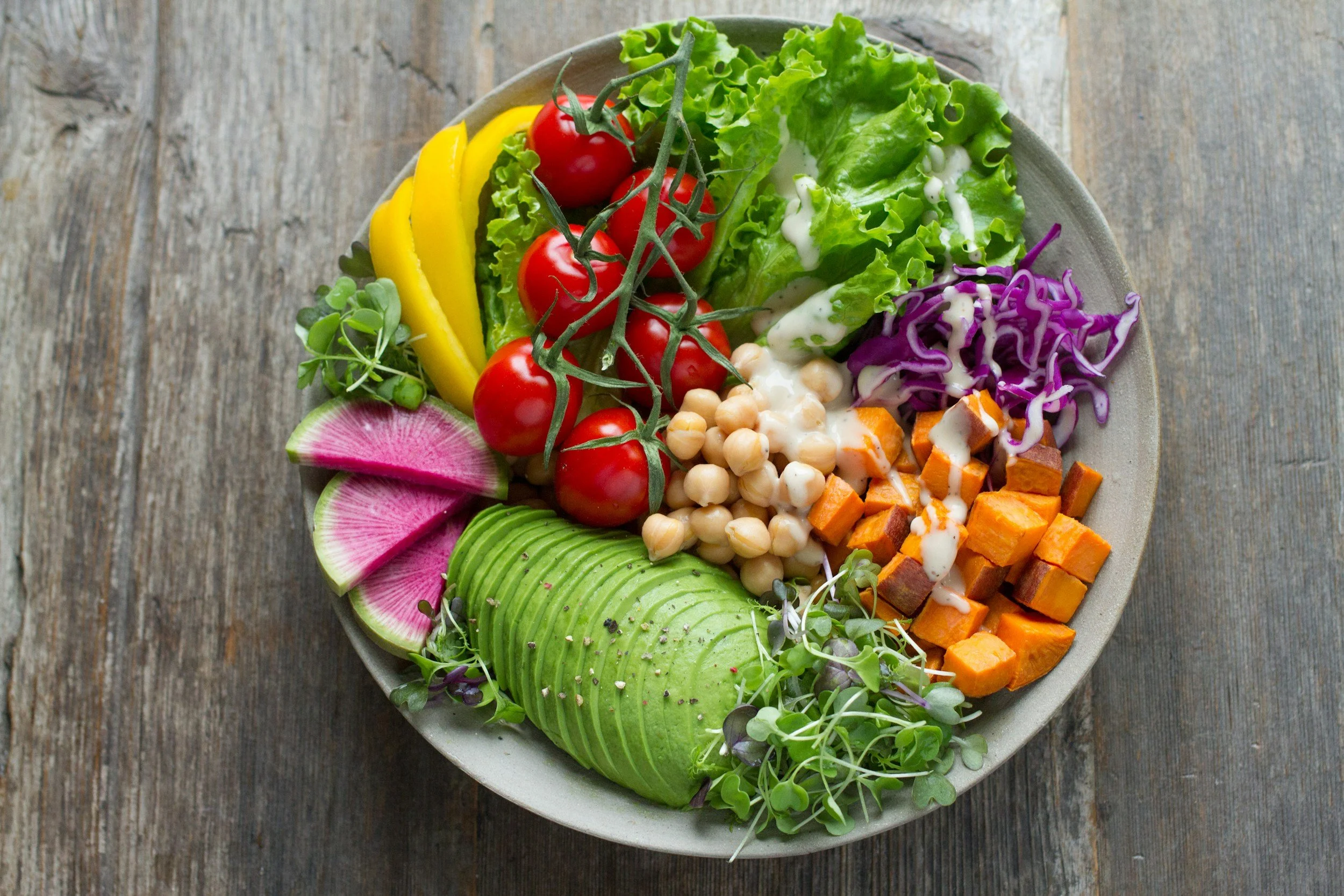
A helpful way to think about meals is to build them around protein, fibre, and healthy fats. This combination stabilises blood sugar, supports satiety, and provides the building blocks needed for hormone production and detoxification. It might look like lentils with roasted vegetables and olive oil, eggs with sautéed greens and avocado, or tinned salmon tossed through rice and spinach. Simple meals like these nourish the body far more effectively than packaged alternatives.
When time is tight, eating well can still be straightforward. A bowl of Greek yoghurt with nuts, hummus with carrot sticks and boiled eggs, sardines on wholegrain toast, or an apple with nut butter, or even a salad with some protein added can take only minutes to prepare and keep energy steady for hours.
Cooking in larger batches is another quiet form of self-care. A pot of soup, curry, or roasted vegetables prepared once can provide several meals, reducing both effort and reliance on convenience foods when you’re tired. This is where your slow cooker can be your new best friend.
Start to read labels. A useful rule of thumb is this: if a product contains ingredients you wouldn’t use in your own kitchen, it may be worth leaving on the shelf.
None of this needs to be rigid. Food is meant to be enjoyed, and flexibility matters. An 80/20 approach — eating mostly whole foods while allowing room for enjoyment — is realistic and sustainable.
Ultra-processed foods were designed for convenience and profit, not long-term wellbeing. By gradually shifting toward simpler, whole foods, women navigating hormonal transitions often notice improved energy, steadier moods, better digestion, and greater metabolic resilience.
Nourishing yourself doesn’t require perfection, expensive ingredients, or hours of cooking. With simple staples, smart shortcuts, and a return to real food, it is entirely possible to support your hormones, your metabolism, and your wellbeing — even on a budget and a busy schedule.
References
Monteiro CA, Cannon G, Levy RB, et al. (2019). Ultra-processed foods: what they are and how to identify them. Public Health Nutrition, 22(5), 936–941.
Monteiro CA, Moubarac JC, Levy RB, et al. (2018). Household availability of ultra-processed foods and obesity in nineteen European countries. Public Health Nutrition, 21(1), 18–26.
Hall KD, Ayuketah A, Brychta R, et al. (2019). Ultra-processed diets cause excess calorie intake and weight gain: an inpatient randomized controlled trial. Cell Metabolism, 30(1), 67–77.
Srour B, Fezeu LK, Kesse-Guyot E, et al. (2019). Ultra-processed food intake and risk of cardiovascular disease. BMJ, 365, l1451.
Lane MM, Davis JA, Beattie S, et al. (2021). Ultra-processed food consumption and mental health: a systematic review and meta-analysis. Nutrients, 13(11), 4408.
Fiolet T, Srour B, Sellem L, et al. (2018). Consumption of ultra-processed foods and cancer risk. BMJ, 360, k322.
Zinöcker MK & Lindseth IA. (2018). The Western diet–microbiome-host interaction and its role in metabolic disease. Nutrients, 10(3), 365.
Chassaing B, Koren O, Goodrich JK, et al. (2015). Dietary emulsifiers impact the mouse gut microbiota promoting colitis and metabolic syndrome. Nature, 519, 92–96.
Ludwig DS. (2011). Technology, diet, and the burden of chronic disease. JAMA, 305(13), 1352–1353.
World Health Organization. (2023). Healthy diet guidelines and prevention of noncommunicable diseases.
Australian Dietary Guidelines (NHMRC). (2013). Eat for Health: Australian Dietary Guidelines Summary.
Juul F & Hemmingsson E. (2015). Trends in consumption of ultra-processed foods and obesity in Sweden. Public Health Nutrition, 18(17), 3096–3101.
