Collagen and Skin Aging: What the Research Really Says
There are so many collagen based products on the market, that it can be confusing knowing what to choose, and if they actually work?
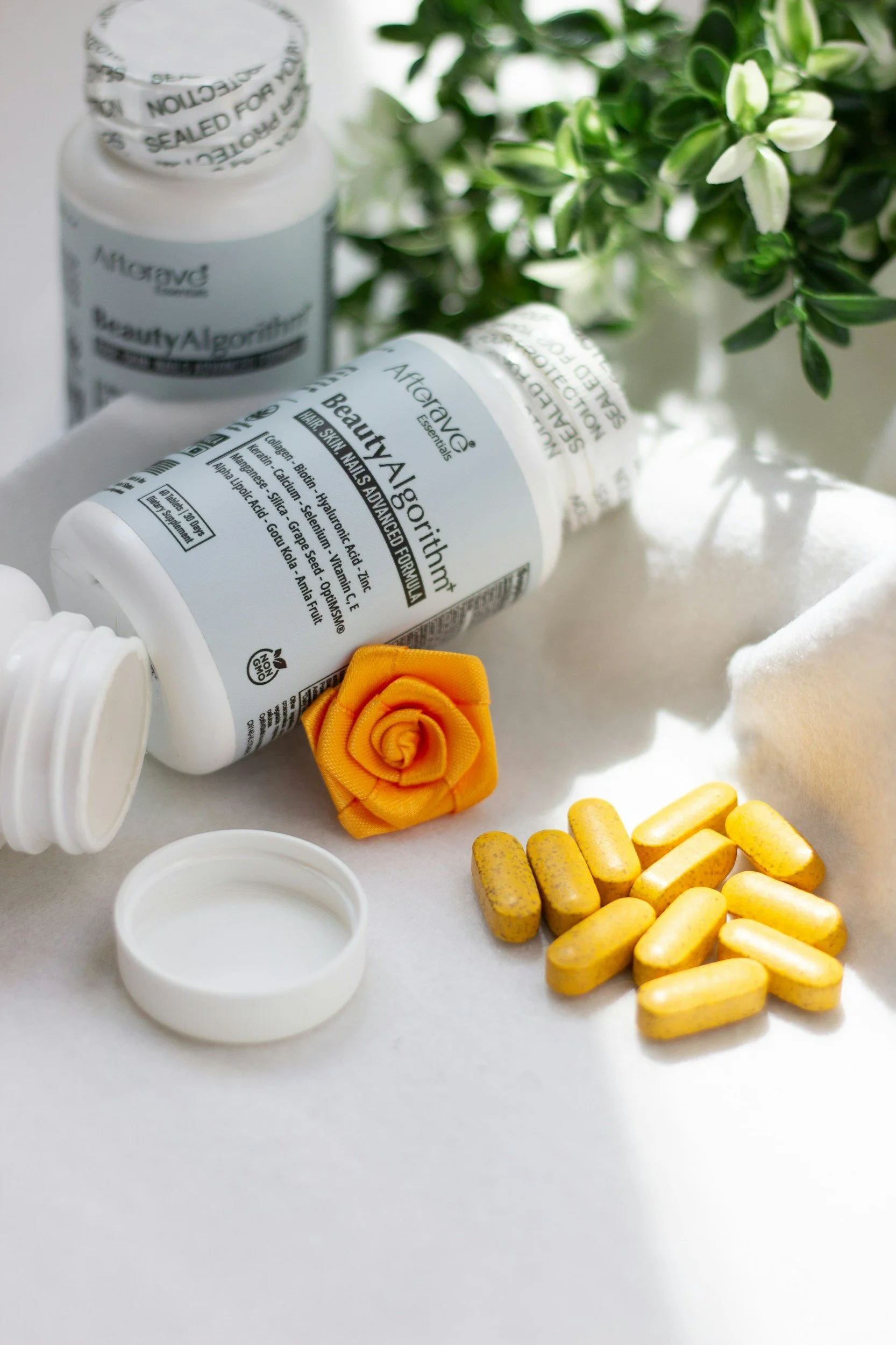
Do collagen supplements work? The research shows some are better than others
As we move through midlife, one of the most visible signs of aging appears on our skin. Fine lines, wrinkles, and a loss of firmness often reflect what’s happening beneath the surface. Declining oestrogen causes a gradual decline in collagen and elastin, the proteins that keep our skin supple and resilient.
But do collagen supplements really the work? Like most things its not that simple. Research indicates that not all collagen supplements are equal. To understand how they work, we need to dig a little deeper.
What Happens to Our Skin as We Age
Skin aging is a natural process influenced by both intrinsic factors (like genetics, hormones, and metabolism) and extrinsic factors such as sunlight, pollution, smoking, and diet.
Over time, our skin’s connective tissue — mainly collagen and elastin fibers — begins to break down. Production slows, and existing fibres become weaker and less organized. This leads to thinner skin, reduced elasticity, and the fine lines and wrinkles we associate with aging.
We also produce less hyaluronic acid, a compound that locks moisture into the skin. As a result, skin feels drier, looks duller, and loses its bounce. Menopause can accelerate this process, as declining oestrogen directly reduces collagen production.
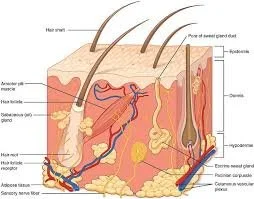
Skin is a living tissue consisting of several layers. It can take upto 84 days to regenerate post menopause
What Is Collagen — and Why It Matters
Collagen is the most abundant protein in the body and provides structure to the skin, muscles, tendons, ligaments, and bones. Think of it as the scaffolding that holds everything up.
There are at least 28 different types of collagen, but the main ones related to skin health are:
Type I: The most common, found in skin, bones, tendons, and ligaments — key for firmness and elasticity.
Type II: Found mainly in cartilage and joints.
Type III: Common in skin, muscles, and blood vessels — supports smooth, flexible skin.
As we age, Type I and III collagen naturally decline. From our mid-30s, collagen production drops by about 1–2% per year, and women can lose up to 30% of their skin collagen in the first five years of menopause.
The Different Types of Collagen Supplements
Collagen supplements are typically made from animal or marine sources and are broken down into small peptides so the body can absorb them more easily. Here’s a quick guide to what’s available:
1. Bovine Collagen (from cows)
Contains mainly Type I and III collagen, which are most beneficial for skin, hair, nails, and bones.
Studies show bovine collagen can significantly improve skin elasticity, hydration, and firmness over 8–12 weeks.
2. Marine Collagen (from fish)
Contains primarily Type I collagen and is praised for its smaller peptide size, meaning it’s easily absorbed.
However, marine collagen often lacks Type III, making it less comprehensive for skin support.
Sustainability and heavy metal concerns can also be an issue depending on sourcing.
3. Porcine Collagen (from pigs)
Biochemically similar to human collagen and includes Type I and III, making it effective for skin and joint support.
4. “Vegan” or “Vegetarian” Collagen
Technically, collagen itself cannot be vegan — it’s a protein that comes only from animal tissue.
What’s often sold as vegan collagen are plant-based formulations containing nutrients that support collagen synthesis (like vitamin C, zinc, and amino acids), rather than collagen itself.
While these products can support your body’s natural production, they do not replace collagen in the same way peptide supplements do.
In short: Marine collagen absorbs well but may be incomplete, while bovine collagen provides the full range of peptides needed for skin repair and firmness.
How Collagen Works in the Body
Collagen peptides act in two key ways:
They provide building blocks — amino acids like glycine, proline, and hydroxyproline that your body uses to make new collagen and elastin.
They stimulate fibroblasts — the skin’s repair cells — to produce more collagen, elastin, and hyaluronic acid.
The result?
Improved skin structure, hydration, and smoothness, with studies showing visible improvements within 8–12 weeks of consistent use.
What the Research Shows
Over the past decade, dozens of studies have explored collagen’s role in skin health — mostly in women aged 35–65.
Hydration and elasticity: Daily oral collagen peptides for 8–12 weeks improved skin hydration, firmness, and density.
Wrinkles: Some trials reported a 10–30% reduction in wrinkle depth and surface roughness.
Elasticity: Skin elasticity improved significantly, particularly in postmenopausal women.
No major side effects: Across studies, collagen was well tolerated with no reported digestive or allergic issues.
Topical collagen
Topical collagen can also improve surface hydration and smoothness, but because collagen molecules are large, they don’t penetrate deeply. This means oral collagen is better suited to supporting the deeper layers of the skin, while topical products are more cosmetic and short-term.
The Best Foods for Collagen Production
Your body can make its own collagen — if it has the right raw materials. Including certain foods in your diet helps support collagen synthesis naturally.
Amino Acid-Rich Foods
Collagen is built from amino acids, particularly glycine, proline, and lysine. You’ll find these in:
Bone broth
Chicken, beef, and fish (especially with skin and bones)
Eggs
Legumes and lentils
Nuts and seeds such as pumpkin and peanuts
Vitamin C
Vitamin C is essential for collagen formation — it helps link collagen fibres together.
Citrus fruits, kiwi, strawberries, and blackcurrants
Capsicum, kale, parsley, and broccoli
Zinc and Copper
These minerals support collagen cross-linking and tissue repair.
Pumpkin seeds, cashews, sesame seeds, shellfish, and legumes
Antioxidants
Protect collagen from breakdown caused by UV exposure and free radicals.
Berries, green tea, turmeric, and leafy greens
Silica and Sulphur
Minerals important for connective tissue strength.
Oats, cucumber, asparagus, and onions
Supporting your diet with these foods helps maintain your body’s own collagen production and enhances the effectiveness of any collagen supplements you take.
Safety and Side Effects
The good news: collagen supplements are considered very safe. Across human and animal studies, there were no significant adverse effects such as nausea or digestive issues. Similarly, topical collagen is gentle and well tolerated.
The Naturopathic Perspective
From a naturopathic viewpoint, collagen works best as part of a holistic skin renewal plan, not a standalone remedy.
Support collagen from all angles by focusing on:
Stable blood sugar: High glucose accelerates collagen breakdown (glycation).
Protein-rich meals: To supply the amino acids needed for new collagen.
Stress reduction: Chronic stress raises cortisol, which can thin the skin.
Sleep and hydration: Both are vital for repair and moisture balance.
Sun protection: UV light is one of the biggest collagen destroyers.
Collagen supplementation, combined with nutrient-dense food and lifestyle balance, helps your skin reflect your inner health and vitality through menopause and beyond.
References
Proksch E. et al. (2013–2020). Oral collagen hydrolysate improves skin elasticity and hydration.
Kim D. et al. (2018). Low molecular weight collagen peptides reduce wrinkles and improve hydration.
Inoue N. et al. (2017). Bioactive collagen peptides enhance skin elasticity and moisture in women aged 35–55.
Byrne D. et al. (2010). Topical peptide complex improves photo-damaged skin.
Campos P. et al. (2019). Comparison of oral and topical collagen in skin rejuvenation.
Sanz M. et al. (2015). Effects of topical collagen peptides on skin elasticity and hydration.
