Understanding Inflammation in Midlife: Why It Increases After Menopause & How the Mediterranean Diet Can Help
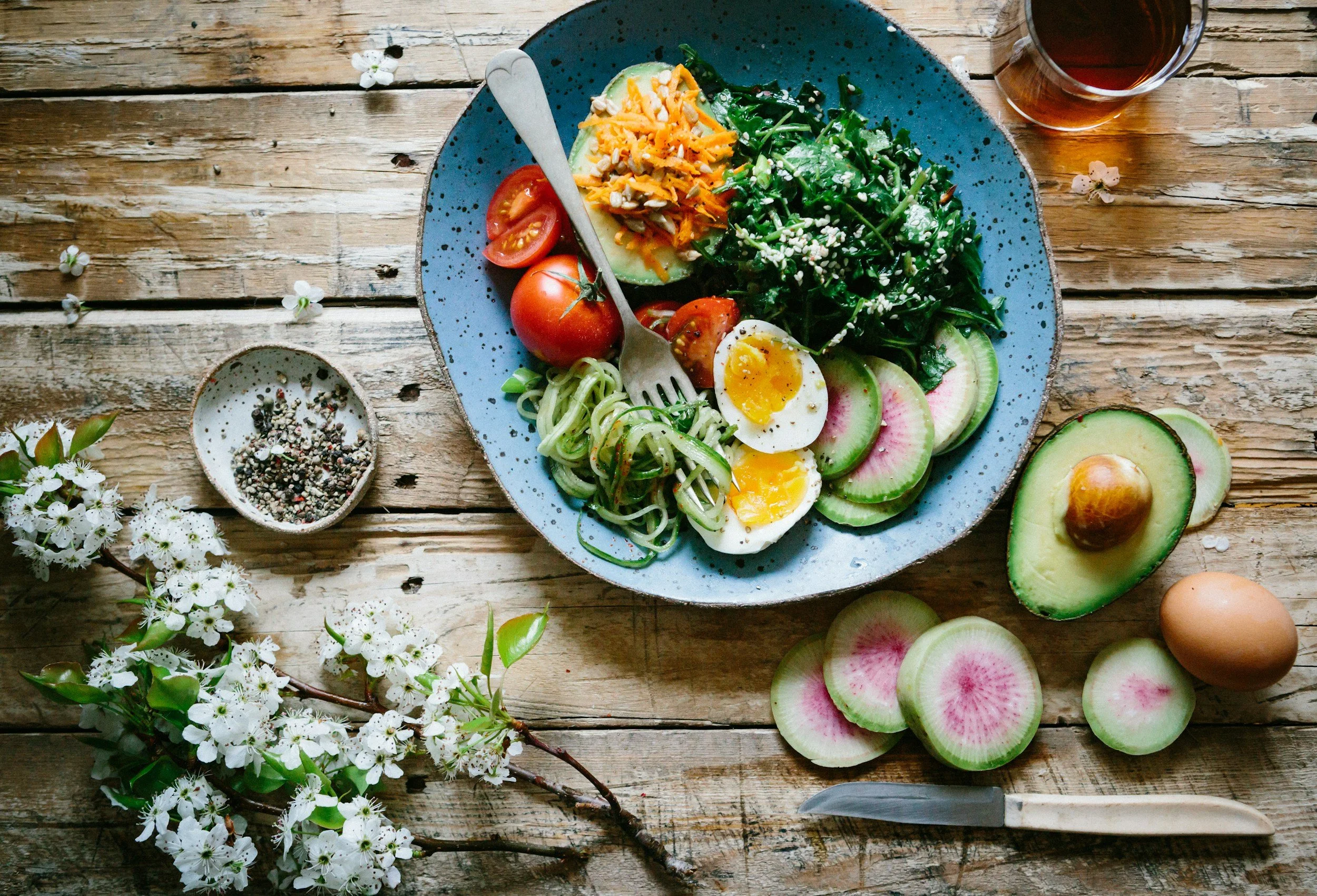
Inflammation has become a bit of a buzzword — blamed for everything from weight gain to joint pain and brain fog. But what is inflammation really, and why does it seem to become such a problem after menopause?
Let’s break it down.
What Is Inflammation?
Inflammation is your body’s natural healing response. When you get a cut, infection, or injury, your immune system releases chemical messengers to repair tissue and fight off invaders. This acute inflammation is helpful and short-term — it’s your body doing what it’s meant to do.
The trouble starts when inflammation becomes chronic. Instead of switching off once the threat is gone, your immune system stays on low alert. Over time, this persistent inflammatory state can damage tissues and contribute to many of the health concerns women face in midlife: fatigue, weight gain, muscle loss, joint pain, insulin resistance, and even cognitive decline.
Why Inflammation Increases After Menopause
Hormones play a huge role in regulating inflammation — and when oestrogen levels drop after menopause, that balance shifts.
Here’s why women are more prone to inflammation post-menopause:
Loss of Oestrogen’s Protective Effect
Oestrogen isn’t just a reproductive hormone — it’s also anti-inflammatory. It helps regulate immune function, support blood vessel health, and balance oxidative stress. When oestrogen declines, these protective effects fade, allowing inflammatory processes to increase.Changes in Body Composition
After menopause, many women experience a shift toward more abdominal fat (visceral fat). This type of fat is metabolically active — it releases inflammatory cytokines that further promote chronic, low-grade inflammation.Cortisol and Stress
Cortisol — our main stress hormone — has a complicated relationship with inflammation. In short bursts, it helps reduce inflammation. But when stress is ongoing (hello, midlife juggling act), cortisol can become dysregulated. Chronically elevated cortisol levels contribute to insulin resistance, weight gain, fatigue, and more inflammation.Combine this with reduced oestrogen, and the result is a “perfect storm” for inflammatory imbalance.
How the Mediterranean Diet Helps Calm Inflammation
The Mediterranean diet isn’t just a trend — it’s one of the most researched and effective eating patterns for reducing inflammation and supporting long-term health.
Here’s how it helps:
Rich in Anti-Inflammatory Nutrients
This way of eating emphasizes colorful plant foods — vegetables, fruits, legumes, nuts, seeds, herbs, and whole grains — all loaded with antioxidants and phytonutrients that neutralize free radicals and reduce oxidative stress.Healthy Fats for Hormonal Balance
Olive oil, avocados, nuts, and oily fish like salmon and sardines provide omega-3 fatty acids and monounsaturated fats that lower inflammatory markers and support hormone health.Supports a Healthy Gut Microbiome
Fibre-rich foods feed beneficial gut bacteria, which play a critical role in immune regulation and inflammation control. A healthy gut equals a calmer immune response.Balances Blood Sugar and Cortisol
The Mediterranean diet is naturally low in refined carbs and sugars, helping stabilise blood glucose and reduce the cortisol spikes that occur when energy levels fluctuate wildly. Balanced blood sugar also means steadier mood, fewer cravings, and better sleep — all of which lower inflammation.
What is the Mediterranean diet?
The Mediterranean diet is less of a “diet” and more of a way of eating and living — inspired by traditional food patterns of countries bordering the Mediterranean Sea, such as Greece, Italy, and Spain. It’s celebrated for its ability to reduce inflammation, support cardiovascular and metabolic health, and promote longevity.
1. Foundation: Plant-Based Focus
The bulk of your meals should come from plant foods.
Vegetables: aim for a rainbow — leafy greens, tomatoes, zucchini, capsicum, eggplant, artichokes, and cruciferous vegetables.
Fruits: especially berries, citrus, pomegranates, and seasonal options.
Legumes: chickpeas, lentils, and beans — excellent plant-based protein and fibre sources.
Whole grains: quinoa, brown rice, barley, oats, and whole-grain sourdough.
Nuts and seeds: almonds, walnuts, flaxseeds, chia, and sunflower seeds.
These foods provide phytonutrients, fibre, and antioxidants that help lower inflammation and support gut health — vital for hormone metabolism.
2. Healthy Fats as the Main Oil Source
Extra virgin olive oil is central — used for cooking, dressings, and drizzling.
Avocados and olives add healthy monounsaturated fats.
Nuts and oily fish provide omega-3 fatty acids, supporting brain and cardiovascular health.
Healthy fats help reduce inflammation, stabilise blood sugar, and support hormone production — particularly important after menopause.
3. Moderate Protein from Quality Sources
Fish and seafood: ideally two to three times per week — salmon, sardines, mackerel, and anchovies for their omega-3 content.
Poultry and eggs: enjoyed a few times a week.
Red meat: eaten sparingly — small portions and pasture-raised when possible.
Plant-based proteins: lentils, beans, and tofu can replace animal proteins several times a week.
Protein supports lean muscle mass, which helps manage blood sugar and metabolism — both influenced by declining oestrogen.
4. Dairy in Small Amounts
Traditionally, dairy is used in moderation — often fermented forms like Greek yoghurt or feta cheese. These provide calcium and beneficial bacteria for gut and bone health.
5. Minimal Processed Foods and Sugars
Refined carbohydrates, sugary snacks, and processed meats are limited.
Instead, natural sweeteners (like fruit or a drizzle of honey) and whole, unprocessed ingredients are preferred.
This helps keep insulin and cortisol balanced — two key hormones influencing weight and inflammation post-menopause.
6. Herbs, Spices and Lifestyle
Flavour with herbs and spices such as rosemary, oregano, thyme, garlic, turmeric, and basil — all rich in anti-inflammatory compounds.
Meals are enjoyed mindfully, often in company, reflecting the Mediterranean emphasis on connection, relaxation, and pleasure around food — all of which help regulate cortisol.
what a Day on the Mediterranean Diet looks like

Breakfast: Greek yoghurt with berries, chia, and a drizzle of olive oil
Lunch: Lentil and vegetable salad with olive oil and lemon dressing
Snack: A handful of nuts and green tea
Dinner: Grilled salmon, roasted vegetables, and a side of quinoa
Dessert: Fresh fruit or a few squares of dark chocolate
Lifestyle Synergy: Beyond the Plate
Diet is a cornerstone, but managing inflammation also involves lifestyle choices that support hormonal and nervous system balance:
Prioritise quality sleep (7–8 hours)
Incorporate movement daily — a mix of strength, walking, and gentle exercise like yoga
Practice stress-reduction techniques — deep breathing, time in nature, or meditation
Spend time outdoors and nurture social connections, both shown to lower inflammatory markers
