
Why Am I Gaining Weight in Perimenopause? (And What Actually Helps)
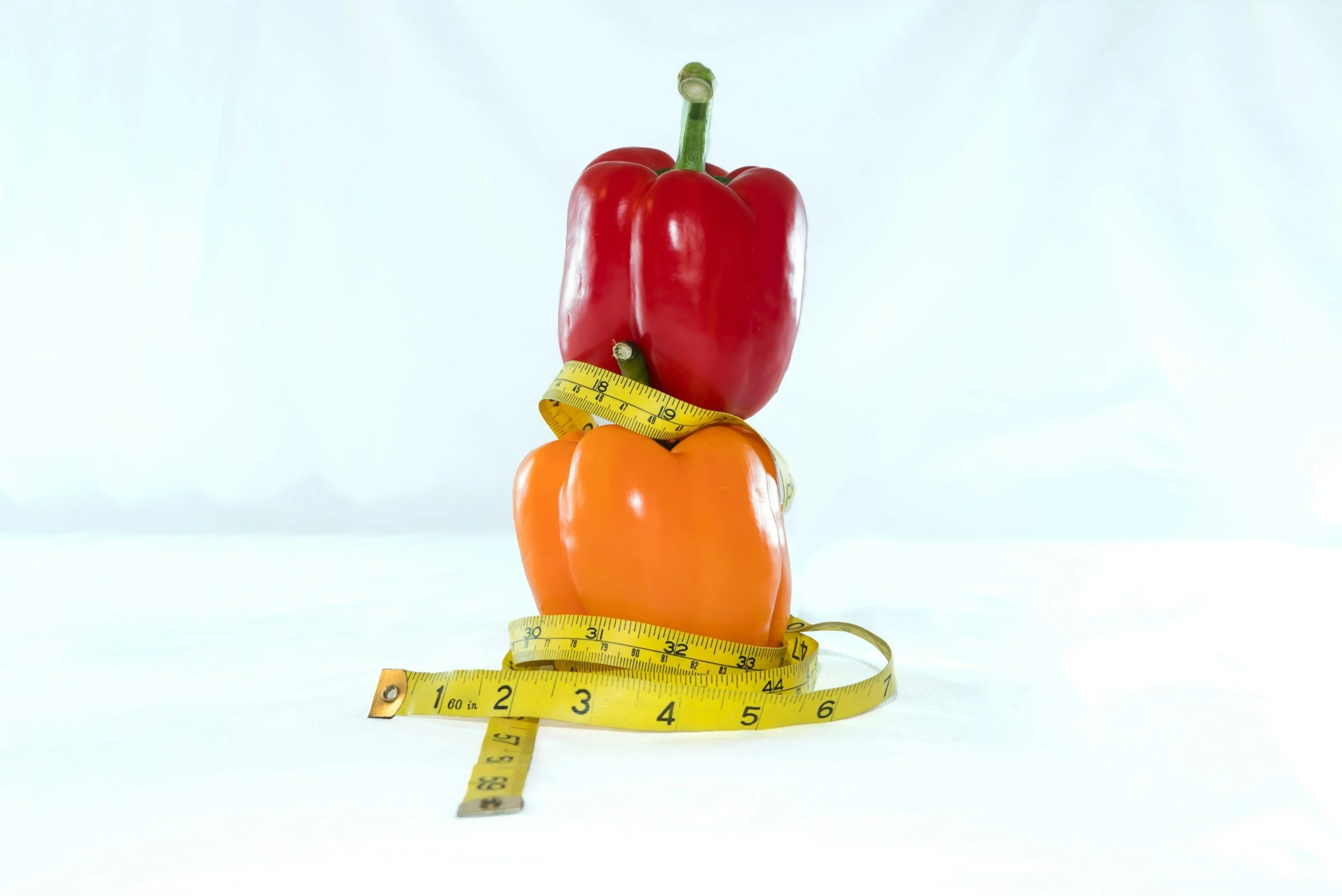
If you feel like your body has suddenly changed — and nothing you’re doing seems to work anymore — you’re not imagining it.
Many women in their 40s tell me the same thing:
“I’m eating the same… exercising the same… but I’m gaining weight, especially around my middle.”
It can feel frustrating, confusing, and at times, disheartening.
But there are real reasons this is happening — and more importantly, there are ways to support your body through it.
What’s actually happening in perimenopause?
Perimenopause isn’t just about your periods becoming irregular. It’s a time of significant hormonal and metabolic change.
The key shifts include:
Fluctuating oestrogen levels
Declining progesterone
Changes in how your body responds to insulin
Increased sensitivity to stress
These changes don’t just affect your hormones — they directly impact how your body stores fat, uses energy, and regulates appetite.
Why weight gain happens (even if nothing else has changed)
1. Your metabolism becomes less efficient
As you move through perimenopause, your body becomes slightly less efficient at using energy.
This isn’t about “slowing metabolism” in a simplistic way — it’s more about how your body responds to food, movement, and stress.
You may notice:
Weight gain despite eating the same
Increased fat storage, especially around the abdomen
Feeling more sensitive to certain foods
2. Insulin resistance becomes more common
One of the biggest — and often overlooked — drivers of weight gain in perimenopause is insulin resistance.
Insulin is the hormone that helps move glucose from your bloodstream into your cells.
When your body becomes less responsive to insulin:
More glucose is stored as fat
Cravings increase
Energy levels fluctuate
This is a key reason why weight gain can feel sudden and stubborn.
3. Hormonal fluctuations drive fat storage
Oestrogen plays a role in where your body stores fat.
As levels fluctuate:
Fat distribution shifts toward the abdomen
Muscle mass may decrease slightly
Body composition changes (even if weight doesn’t dramatically increase)
This is why many women notice a change in shape, not just weight.
4. Stress and cortisol play a bigger role
Midlife often comes with increased demands — work, family, aging parents, poor sleep.
At the same time, your body becomes more sensitive to cortisol (your stress hormone).
Elevated cortisol can:
Promote abdominal fat storage
Increase cravings (especially for sugar and refined carbs)
Disrupt sleep, which further impacts weight
5. Sleep disruption affects metabolism
If your sleep isn’t as deep or consistent as it once was, this alone can influence weight.
Poor sleep can:
Increase hunger hormones
Reduce insulin sensitivity
Lower energy for movement
Even subtle sleep changes can have a noticeable effect over time.
What actually helps (without extreme dieting)
This is where many women are given the wrong advice.
More restriction and more exercise is not always the answer — and can sometimes make things worse.
Instead, the focus needs to shift to supporting your metabolism and hormones.
1. Stabilise blood sugar
This is one of the most powerful things you can do.
Focus on:
Protein with every meal
Healthy fats
Fibre-rich whole foods
This helps reduce insulin spikes and supports more stable energy.
2. Eat enough (not less)
Undereating can increase stress hormones and make your body hold onto weight.
Many women in perimenopause are actually under-fuelling, especially if they’ve dieted for years.
3. Support muscle mass
Muscle plays an important role in metabolic health.
Gentle strength training can:
Improve insulin sensitivity
Support metabolism
Help with body composition
4. Reduce stress where possible
This doesn’t mean eliminating stress entirely — but supporting your nervous system matters more than ever.
Simple things like:
Walking
Time outdoors
Breathing practices
Reducing over-scheduling
can make a real difference.
5. Support your body with the right nutrients and herbs
This is where a personalised approach becomes important.
In clinic, I often support women with:
Blood sugar regulation
Nervous system support
Hormone balancing herbs
Targeted nutritional support
A more supportive way to look at this
Weight gain in perimenopause isn’t a failure of willpower.
It’s a reflection of deeper changes happening in your body.
When you understand what’s driving it, you can work with your body instead of against it.
If you’re feeling stuck
If this sounds familiar — you’re not alone.
This is exactly what I support women with in clinic:
understanding what’s happening in their body and creating a plan that feels realistic, supportive, and sustainable.
If you’d like personalised support, you can explore my online consultations.
Final thoughts
Your body isn’t broken — it’s adapting.
With the right support, it’s absolutely possible to feel balanced, energised, and comfortable in your body again.
